
CCTV Operator Practice Test : Free Exam Questions & Study Guide

Welcome to our comprehensive CCTV Operator Practice Test resource! Whether you're preparing for your CCTV certification exam or looking to enhance your surveillance system knowledge, our free practice questions cover everything from camera technology to evidence preservation.
This guide includes 750+ practice questions, detailed study materials, and expert tips to help you pass your CCTV operator exam on the first attempt. Master video surveillance concepts, incident detection protocols, and security monitoring best practices with our proven study resources.
Pro Tip: CCTV operators play a crucial role in security operations. This certification validates your expertise in surveillance system operation, video monitoring, incident response, and evidence handling procedures essential for professional security careers.
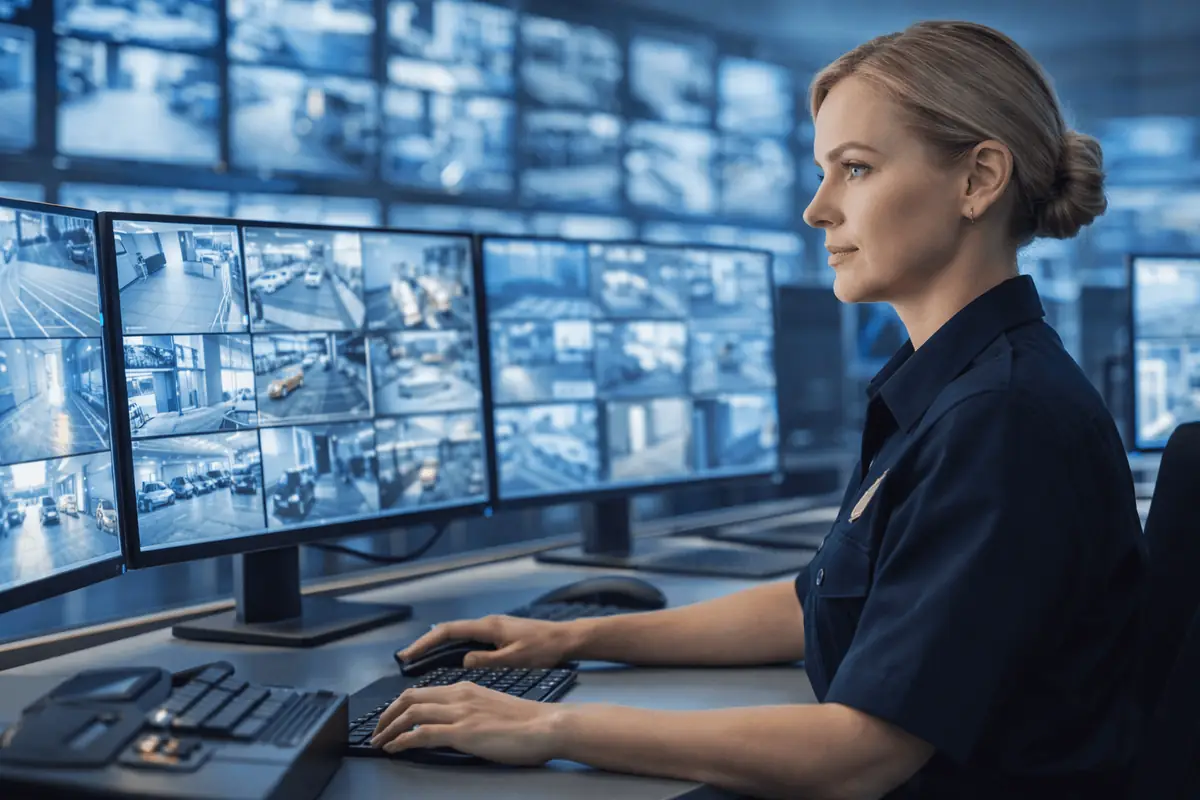
Free CCTV Operator Practice Tests
Test your knowledge with our comprehensive CCTV operator practice exams. These free practice questions cover surveillance system operation, security monitoring, camera technology, incident detection, and evidence preservation procedures required for professional certification.


CCTV Operator Flashcards
Click each card to reveal the answer and test your surveillance knowledge
CCTV Operator Study Guide
Our comprehensive study guide covers all essential topics for the CCTV operator certification exam. Learn about surveillance systems, camera technology, security protocols, and regulatory compliance to prepare for your career in video surveillance.
| What is CCTV? | CCTV (Closed-Circuit Television) refers to a system of video surveillance where signals are transmitted to a specific set of monitors, used for security and surveillance purposes. |
| What are the components of a CCTV system? | The key components of a CCTV system include cameras, monitors, digital video recorders (DVR), and cables to connect the system. |
| How does CCTV work? | CCTV works by capturing video footage from cameras and transmitting the signals to a monitor or recording system for surveillance and recording purposes. |
| What is the purpose of CCTV? | The main purpose of CCTV is to monitor and record activities for security, surveillance, and investigation purposes in public and private areas. |
| How many questions are on the CCTV exam? | The CCTV exam typically contains 50-100 multiple-choice questions covering various topics in surveillance systems and their installation. |
| What is the time limit for the CCTV exam? | The exam is generally 3 hours long, allowing ample time to answer all questions and complete any practical assessments. |
| What topics are covered in the CCTV exam? | The exam covers topics such as CCTV system design, camera types, wiring, recording systems, and the laws related to surveillance and privacy. |
| What type of questions are on the CCTV exam? | The exam includes multiple-choice questions and practical scenarios related to CCTV installation, maintenance, and troubleshooting. |
| How do I register for the CCTV exam? | Registration for the CCTV exam can typically be done through the official certification body's website, where you can select a test date and location. |
| What is the cost of the CCTV exam? | The cost of the CCTV exam varies by the certifying organization, typically ranging from $100 to $300 depending on the level of certification. |
| What documents are required for CCTV exam registration? | Documents required may include proof of identity, a completed application form, and payment for the exam fee. |
| When can I take the CCTV exam? | The CCTV exam is offered at multiple times throughout the year, depending on the certification body's schedule and location availability. |
| What is the passing score for the CCTV exam? | The passing score for the CCTV exam is typically around 70%, but this may vary depending on the certifying organization. |
| How are CCTV exam results reported? | Results are typically reported within a few weeks of taking the exam, with details sent via email or made available online through the certifying body's portal. |
| Can I retake the CCTV exam if I fail? | Yes, you can retake the CCTV exam, but you may need to wait a specified period (e.g., 30 days) and pay the exam fee again. |
| What is the validity of CCTV certification? | CCTV certifications typically last 3-5 years, after which recertification may be required to maintain the credential. |
| How should I prepare for the CCTV exam? | Preparation includes studying CCTV systems, their components, installation, troubleshooting, and understanding relevant laws and regulations. |
| Are there study materials available for the CCTV exam? | Yes, many online resources and textbooks are available, including practice exams and study guides tailored for CCTV certification exams. |
| What topics should I focus on for CCTV exam preparation? | Focus on system design, camera types, wiring, digital video recorders (DVRs), and surveillance laws. |
| Can I use a calculator during the CCTV exam? | Typically, calculators are not allowed during the CCTV exam, as the test focuses on theoretical knowledge rather than mathematical calculations. |
CCTV Exam Structure
Understanding the CCTV certification exam structure helps you prepare effectively. The exam tests your knowledge across multiple domains essential for professional surveillance operations.
Master different camera types, resolution standards, and optical specifications for effective surveillance deployment.
- Topics: Camera types, lenses, resolution, night vision
- Questions: 15-20 questions
Understand DVR/NVR technology, storage management, and video compression for efficient footage preservation.
- Topics: Recording equipment, storage, backup procedures
- Questions: 10-15 questions
Learn control room procedures, multi-screen monitoring, and real-time surveillance techniques.
- Topics: Monitoring techniques, alert response, shift handover
- Questions: 15-20 questions
Master incident detection, emergency protocols, and coordination with security personnel.
- Topics: Incident identification, response protocols, reporting
- Questions: 10-15 questions
Understand privacy laws, data protection regulations, and evidence handling requirements.
- Topics: Legal requirements, privacy, evidence handling
- Questions: 8-12 questions
Learn troubleshooting techniques, preventive maintenance, and system optimization methods.
- Topics: Equipment maintenance, troubleshooting, system updates
- Questions: 5-10 questions
Focus on practical scenarios during your preparation. Real-world incident detection and proper response protocols are heavily tested on the CCTV operator exam.
CCTV Exam Score Calculator
Calculate your CCTV certification exam score and see if you passed
CCTV Operator Salary Information
CCTV operators earn competitive salaries with opportunities for advancement. Salaries vary based on experience, location, industry sector, and certification level.
| Experience Level | Annual Salary | Monthly Income | Typical Timeline |
|---|---|---|---|
| Entry Level | $26,000 - $32,000 | $2,167 - $2,667 | 0-1 years |
| Experienced | $32,000 - $42,000 | $2,667 - $3,500 | 1-3 years |
| Senior Operator | $42,000 - $52,000 | $3,500 - $4,333 | 3-5 years |
| Supervisor | $48,000 - $58,000 | $4,000 - $4,833 | 5-7 years |
| Security Manager | $58,000 - $75,000+ | $4,833 - $6,250+ | 7+ years |
CCTV operators can advance to senior control room supervisor, security manager, or specialized roles in critical infrastructure protection with additional experience and certifications.
How to Become a CCTV Operator
Follow this step-by-step guide to become a certified CCTV operator. The process typically takes 2-4 weeks from start to certification, depending on your training program and exam scheduling.
- Research Certification Options - Compare certifications from ASIS, SIA, or industry-specific bodies based on your career goals and employer requirements
- Meet Basic Requirements - Ensure you meet minimum requirements including age (18+), background check eligibility, and any prerequisite education
- Enroll in Training Program - Complete an accredited CCTV operator training course covering surveillance systems, monitoring techniques, and security protocols
- Study Exam Content - Use practice tests, study guides, and flashcards to master camera technology, recording systems, incident response, and legal requirements
- Register for Examination - Submit application, pay exam fees ($100-$300), and schedule your testing appointment at an approved testing center
- Pass the Certification Exam - Take the exam and achieve a passing score of 70% or higher on the multiple-choice and scenario-based questions
- Receive Your Certification - Upon passing, receive your official CCTV operator certificate and begin your career in surveillance and security monitoring
CCTV Certification Costs
Understanding the investment required for CCTV operator certification helps you plan your career path. Here is a breakdown of typical costs involved in becoming a certified CCTV professional.
The total investment for CCTV certification ranges from $300-$800, including training and exam fees. This investment typically pays for itself within the first few months of employment.

CCTV Operator Career Paths
Explore diverse career opportunities available to certified CCTV operators across various industries
CCTV Testing Contacts
Connect with official certification bodies and resources for CCTV operator certification. These organizations provide training, examination, and industry standards.
Search for CCTV operator positions on security industry job boards, Indeed, LinkedIn, and specialized security company websites. Many positions are available in retail, corporate, hospitality, and government sectors.
CCTV Test Day Checklist
Ready to Start Your CCTV Career?
Take our free practice test now and join thousands of successful CCTV operators who passed their certification exam on the first attempt.
Start Free Practice Test →CCTV Certification Renewal Requirements
Maintain your CCTV operator certification by meeting renewal requirements. Most certifications require periodic renewal to ensure professionals stay current with technology and industry standards.
Keep your CCTV certification current by tracking renewal deadlines and completing required continuing education. Many employers require active certification for employment.
CCTV Exam Questions and Answers
CCTV surveillance provides 24/7 monitoring, deters criminal activity, aids in evidence collection, and can help in monitoring public spaces for safety and security.
Yes, CCTV systems can be vulnerable to hacking if not properly secured. It's important to use strong passwords, encryption, and secure networks to prevent unauthorized access.
CCTV cameras can be hidden or disguised, depending on the system. Covert cameras are used in some instances where discreet surveillance is required.
When choosing a CCTV camera, consider the area you want to monitor, the level of detail required, lighting conditions, and the camera's connectivity options.
To secure your CCTV system, use strong passwords, enable two-factor authentication, and ensure your system's software and firmware are regularly updated to patch vulnerabilities.
The most common types of CCTV cameras include dome cameras, bullet cameras, PTZ (pan-tilt-zoom) cameras, and hidden/covert cameras, each designed for specific monitoring needs.
Yes, many modern CCTV cameras come with infrared (IR) technology, which allows them to record in low or no light conditions. This feature is ideal for nighttime surveillance.
The storage duration for CCTV footage depends on the system's storage capacity and settings. Typically, footage can be stored for 30 to 90 days before being overwritten.
CCTV cameras can be either visible or hidden, depending on the purpose. Visible cameras are often used as a deterrent to prevent criminal activity in public spaces.
Yes, installing CCTV in private property is legal, but it must be done within legal bounds, respecting privacy rights. Cameras should not invade others' privacy by filming areas beyond the property.