
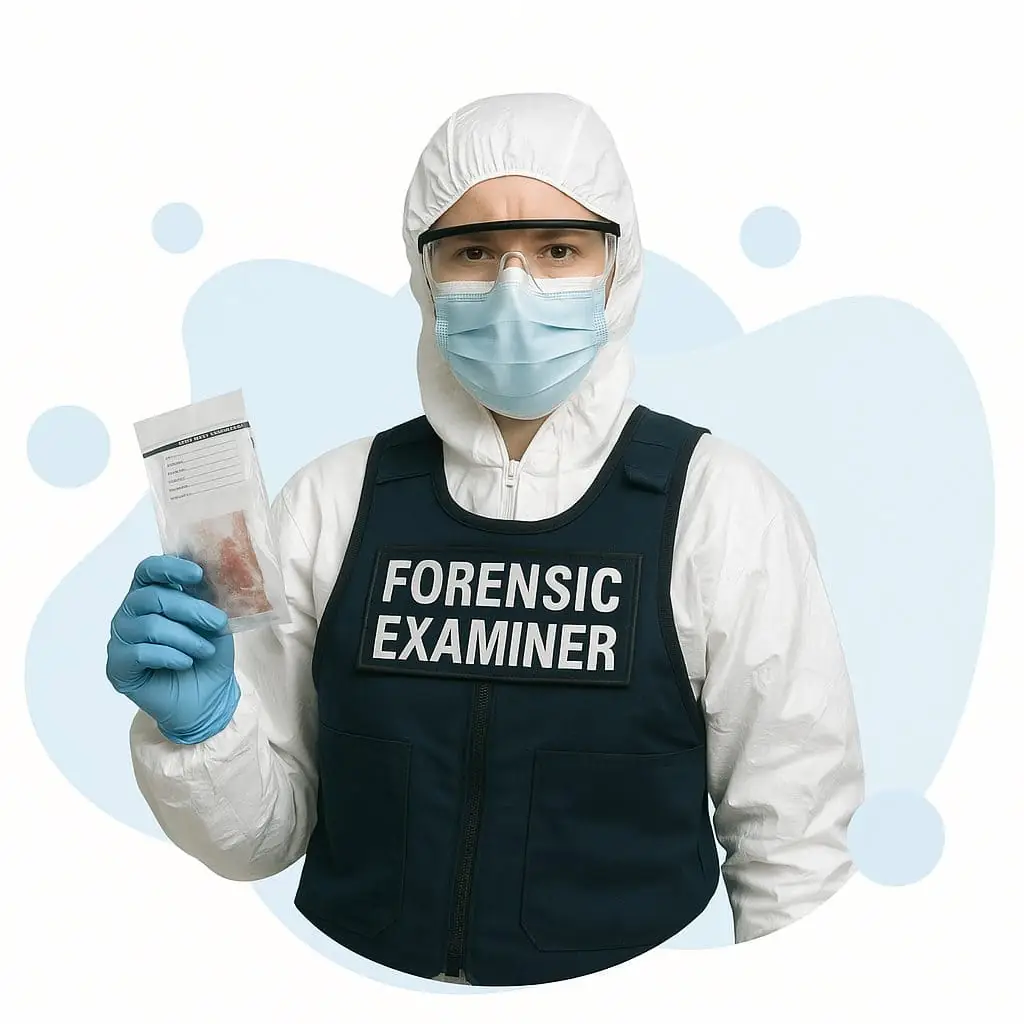
Becoming a Certified Forensic Examiner (CFE) is an important step for individuals looking to pursue a career in forensic science or criminal investigation. A CFE is a highly skilled professional who applies scientific techniques and methodologies to investigate crimes, gather evidence, and assist in legal proceedings. The role demands not only technical expertise in areas such as digital forensics, fingerprint analysis, and toxicology but also an ability to think critically and present findings in court. This article will walk you through the process of becoming a Certified Forensic Examiner, including the key skills, qualifications, and career opportunities available.
Free CFE Practice Test Online
Key Takeaways
Certified Forensic Examiners (CFE) play a vital role in criminal investigations and legal proceedings.
To become a CFE, one must meet specific educational and professional requirements, including obtaining certifications from recognized forensic bodies.
Continuing education and specialized training are crucial for career advancement in this field.
The role of a CFE can lead to career opportunities in law enforcement, private consulting, and government agencies.
Educational and Professional Requirements
To become a Certified Forensic Examiner, candidates generally need to have a background in forensic science, criminology, or a related field. A bachelor’s degree in criminal justice or forensic science is typically the minimum requirement. However, many employers may prefer candidates with a master’s degree or specialized certifications.

Alongside academic qualifications, practical experience is key to becoming a successful CFE. Most professionals gain hands-on experience through internships, volunteer work, or employment with law enforcement agencies, forensic laboratories, or private consulting firms.
Certifications and Training
Certification is a critical component in becoming a CFE. The American Board of Forensic Examiners (ABFE) offers certification for forensic examiners in multiple specialties, including digital forensics and toxicology. Similarly, the International Association of Computer Science and Information Technology (IACSIT) offers certifications for digital forensics professionals. These certifications ensure that forensic examiners possess the necessary expertise and follow industry standards.
Training programs in forensic science can be found at various universities and institutions, both online and in person. It is important to choose accredited programs that provide comprehensive knowledge and practical training in forensic methodologies.
Key Skills and Expertise
Certified Forensic Examiners need a variety of technical and analytical skills. These include:
Attention to Detail: Forensic examiners must carefully analyze evidence to identify relevant clues in criminal investigations.
Analytical Skills: The ability to assess and interpret data accurately is crucial, especially when working with complex scientific evidence like DNA samples or digital data.
Technical Proficiency: Forensic examiners must be well-versed in the use of forensic tools and technologies, such as fingerprint analyzers, digital data retrieval systems, and toxicology testing equipment.
Communication: Clear communication skills are essential for presenting findings in court and writing detailed reports for law enforcement and legal teams.
Career Opportunities
Certified Forensic Examiners have the opportunity to work in various sectors. Many CFEs work directly with law enforcement agencies to support criminal investigations. Others may choose to work in private consulting firms, helping individuals or companies with forensic analysis related to civil or corporate matters.
Government agencies, including the FBI, DEA, and local forensic labs, also hire CFEs. Additionally, the rise of cybercrime has led to an increased demand for forensic examiners specializing in digital forensics.

Conclusion
Becoming a Certified Forensic Examiner is a rewarding career choice for individuals interested in criminal justice and investigative science. The path to certification involves obtaining a solid educational foundation, gaining practical experience, and acquiring specialized certifications in forensic disciplines. Forensic examiners play an integral role in ensuring justice is served by providing crucial evidence that can make a difference in criminal trials. With the growing demand for forensic professionals in both public and private sectors, this career path offers excellent opportunities for those with a passion for solving crimes and upholding the law.
FAQs
What is the role of a Certified Forensic Examiner?
A Certified Forensic Examiner applies scientific principles to examine evidence, such as fingerprints, DNA, and digital data, in criminal investigations. They assist in the legal process by analyzing evidence and providing expert testimony in court.
What qualifications are required to become a CFE?
To become a CFE, you typically need a degree in forensic science or a related field, along with hands-on experience in forensic analysis. Additionally, obtaining certification from recognized forensic bodies is necessary to advance in the field.
How long does it take to become a Certified Forensic Examiner?
The timeline varies, but becoming a CFE typically takes several years. This includes completing a degree program, gaining practical experience, and completing certification exams.
What are the salary prospects for Certified Forensic Examiners?
The salary of a CFE can vary based on experience, location, and specialization. On average, forensic examiners can earn between $50,000 to $100,000 annually, with higher earnings for those specializing in digital forensics or working in private consulting.
Is continuing education necessary for Certified Forensic Examiners?
Yes, continuing education is important for CFEs to stay updated with new forensic technologies, methodologies, and legal requirements. Many certification bodies require ongoing education as part of the certification renewal process.